
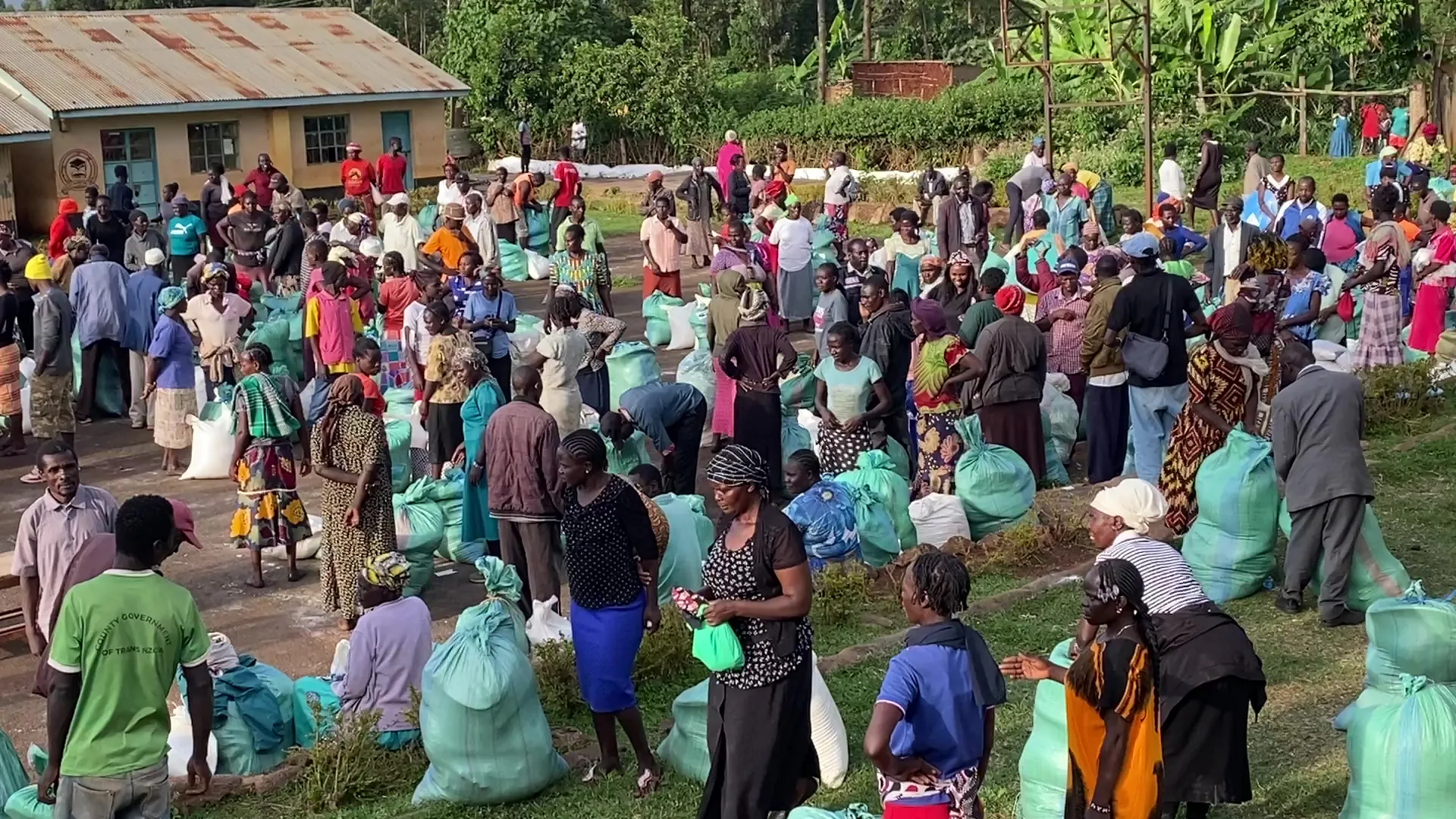
Emergency food response.
When floods and disaster strike, we mobilise within 48 hours to reach families in Kenya's most affected communities.
Emergency Fund active. Your gift can reach crisis-hit families within 48 hours of a disaster.
Give nowFloods are destroying homes, crops and livelihoods.
Heavy rains and floods continue to cause loss of life, loss of property and disruption of services across Kenya.
Transport, housing, education, health and agriculture are the most affected sectors, according to the authorities.
National figures from persistent heavy rains and flooding as of 9 May. Source: National Disaster Operations Centre, County Disaster Unit, Ray of Hope Office.
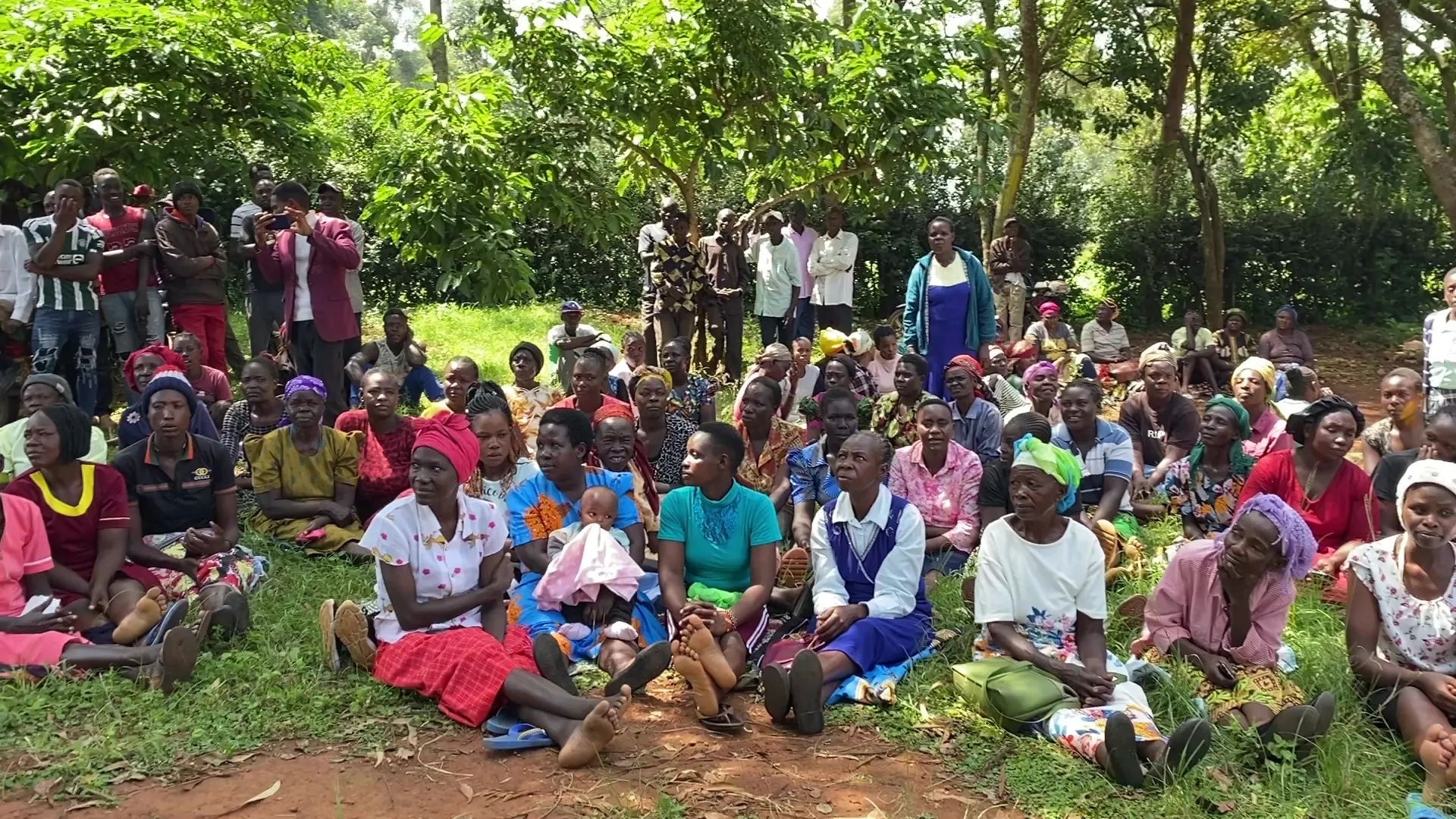
Community members gather to receive relief support.
Affected households by village.
924 households and about 3,696 people across ten villages.
| Affected village | Affected households | Approx. affected people |
|---|---|---|
| Soi Mining Village | 300 | 1,200 |
| Marinda Sabwani Village | 80 | 320 |
| Mandarara Village | 80 | 320 |
| Ketubo Village | 130 | 520 |
| Shikuru Village | 60 | 240 |
| Forkland Village | 87 | 348 |
| Kitale Ndogo Village | 32 | 128 |
| Mwangaza Village | 39 | 156 |
| Caanan Village | 74 | 296 |
| Marinda Baharini Village | 42 | 168 |
| Total | 924 | 3,696 |
Approximate people assume an average of four people per household. Soi Mining Village alone accounts for 300 of the 924 households. Source: County Disaster Unit, local leaders, Ray of Hope Office.
Food first, then recovery.
Ray of Hope's proposed mitigation efforts combine immediate food relief with support to rebuild.
Foodstuffs
Staple food for affected households, distributed at registered points.
Household items
Essential items for families who have lost belongings to the floods.
Repair of damaged houses
Support to repair homes destroyed by floods and heavy rains.
Return to farming
Enabling families to grow food again after crops were destroyed.
Vulnerable children and older citizens
Special interventions for those least able to cope on their own.
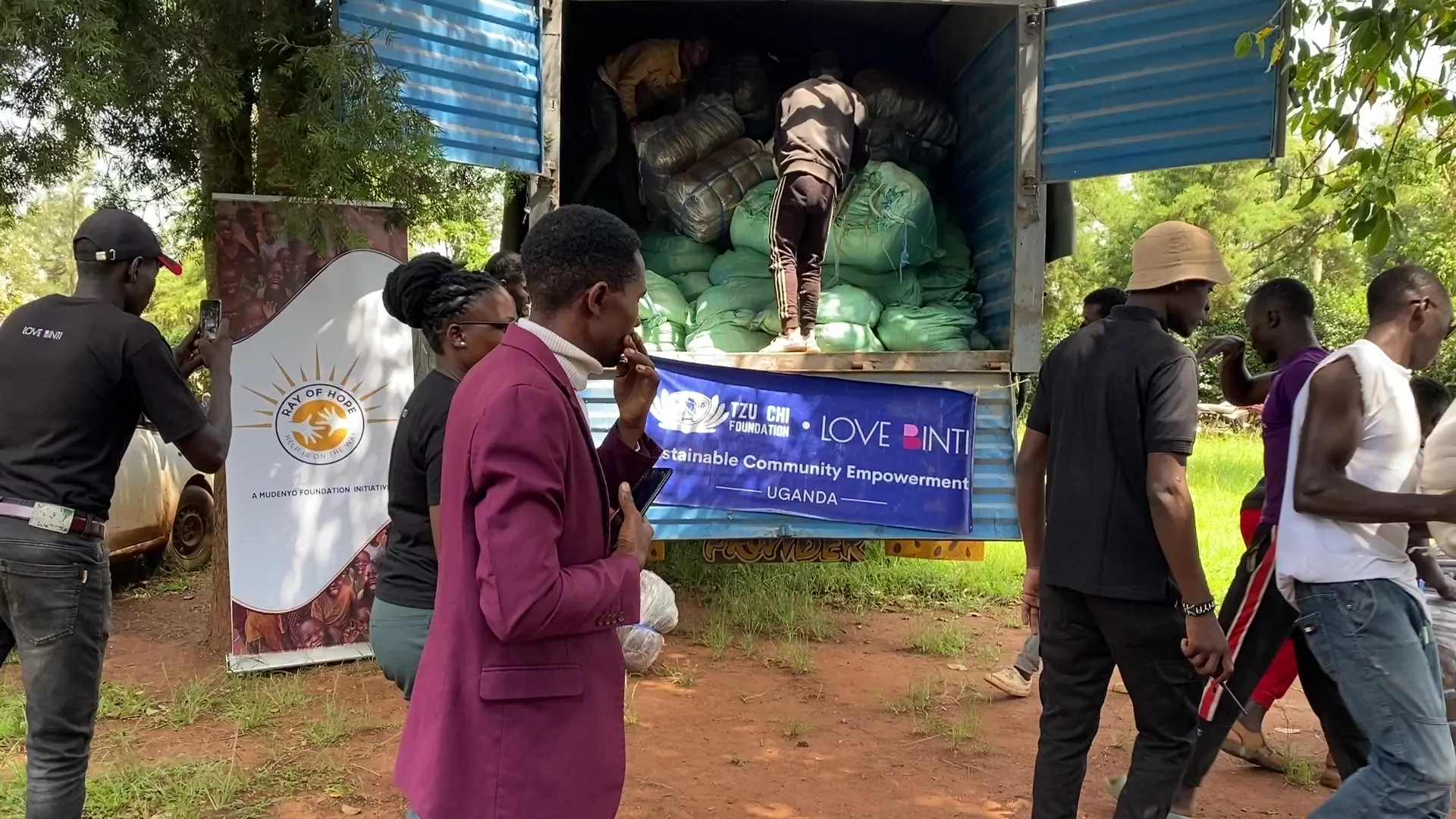
48-hour activation.
A structured, fast-moving response framework built on field experience.
Alert and activation
Crisis alert received. Emergency Response team activated. County liaisons contacted.
Assessment
Rapid needs assessment deployed to the affected area. Number of families and severity mapped.
Procurement
Emergency ration packs procured from the nearest depot. Logistics and volunteers mobilised.
Distribution
Food distributed at registered distribution points. Beneficiary data recorded for reporting.
What we distribute.
Each pack is designed to sustain a family of five for 14 days. Packs are assembled in advance and stored at regional depots for immediate deployment.
- 10 kg maize flourStaple energy source
- 5 kg legumesProtein and iron
- 2 L cooking oilHealthy fats and calories
- Iodised saltMineral supplementation
One pack costs approximately KES 2,500 and feeds a family of five for 14 days.
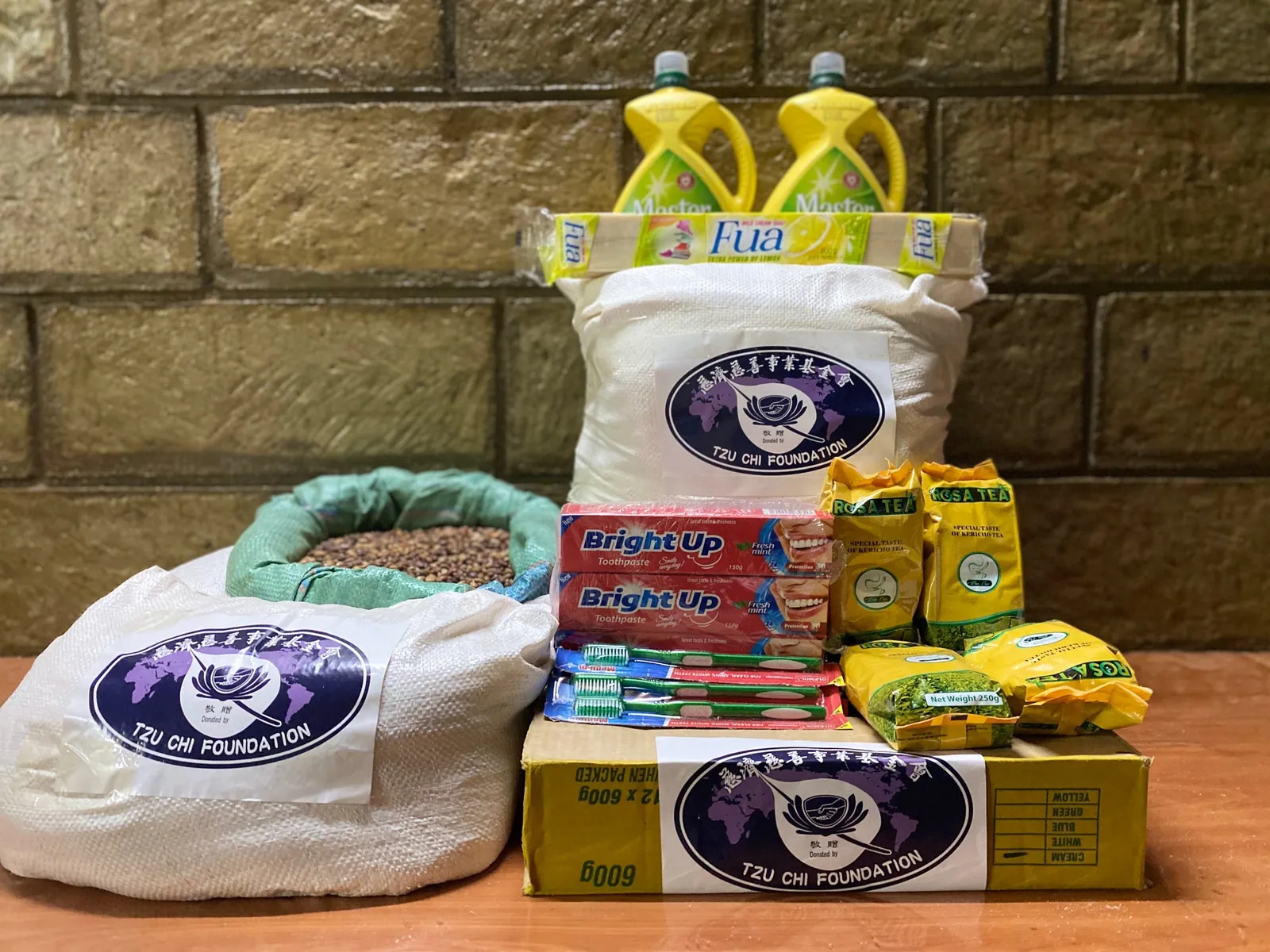
Reaching families where they are.
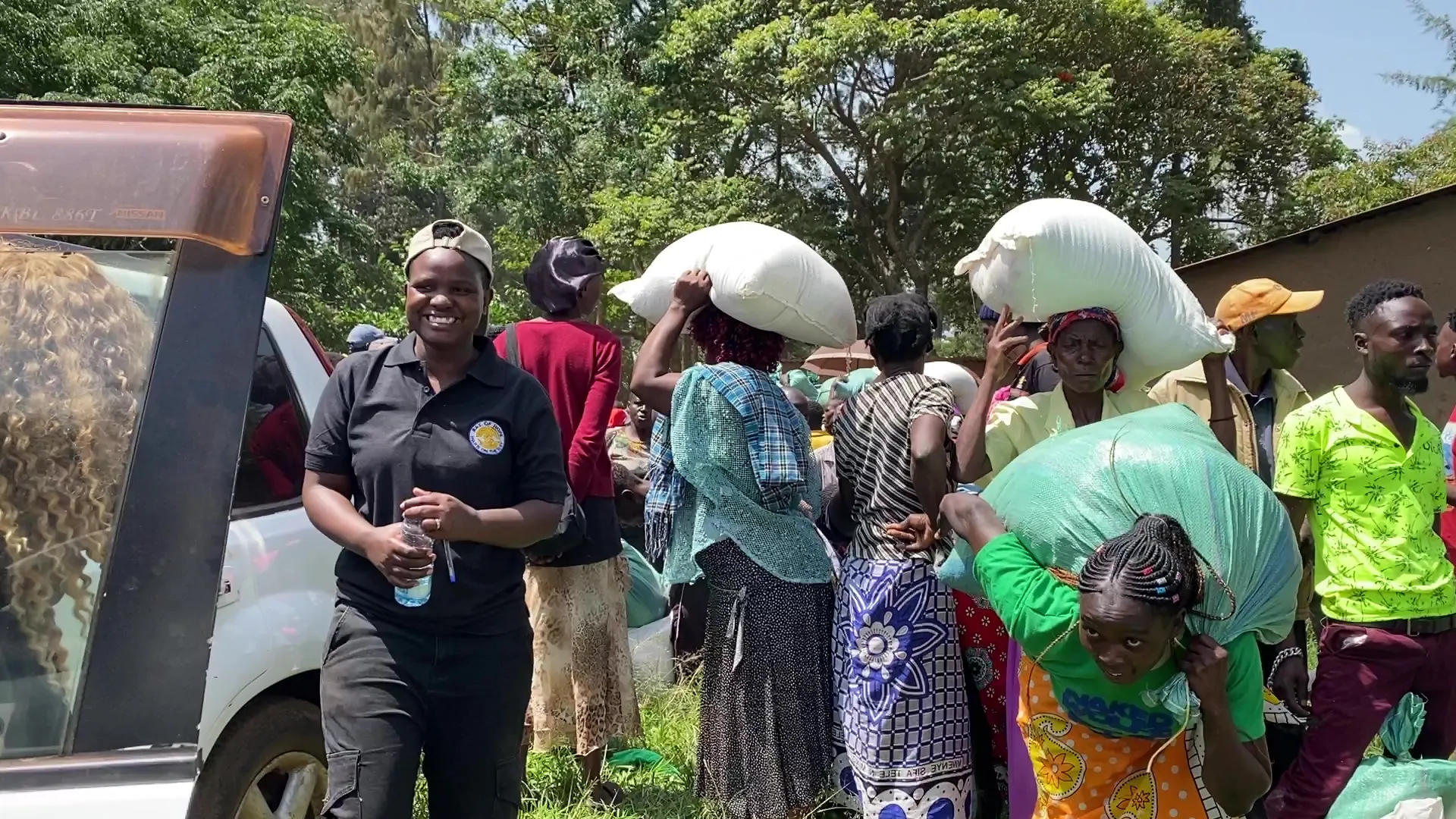
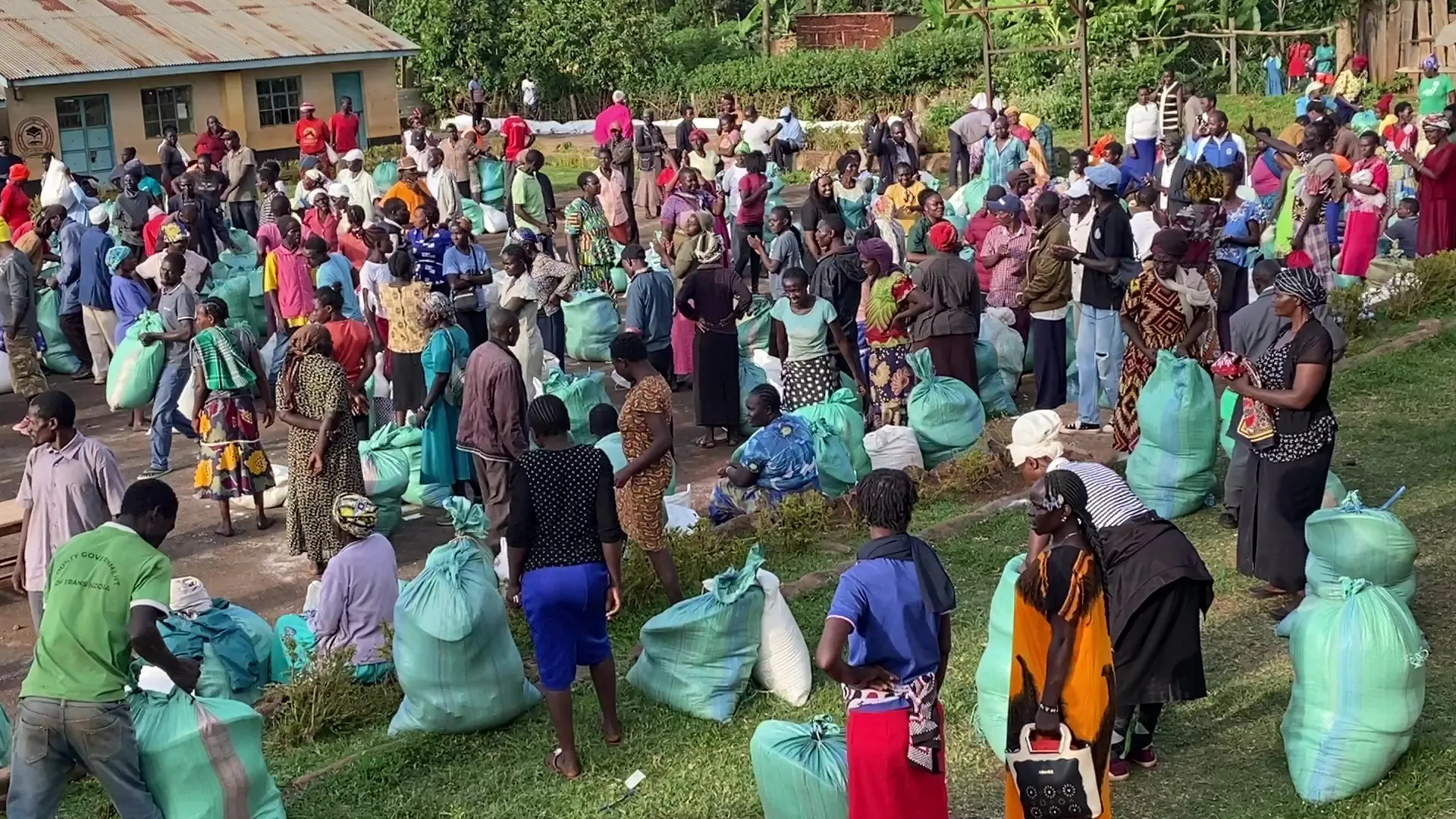
Field responses.
No family should face disaster alone.
Flood assessment and response planning
Ten villages assessed with the County Disaster Unit and local leaders: 924 households and about 3,696 people affected.
Flood response
Heavy rains displaced over 1,200 families along the river in the Sabwani and Namanjalala area.
Flood response
Supporting flood-affected families in Namanjalala.
Drought relief
A prolonged dry spell triggered food insecurity across the county. 800 families received emergency rations over a one-week distribution period.
Build our emergency reserve.
Funds held in the Emergency Reserve are deployed within hours of a crisis alert.